
Description
Overview
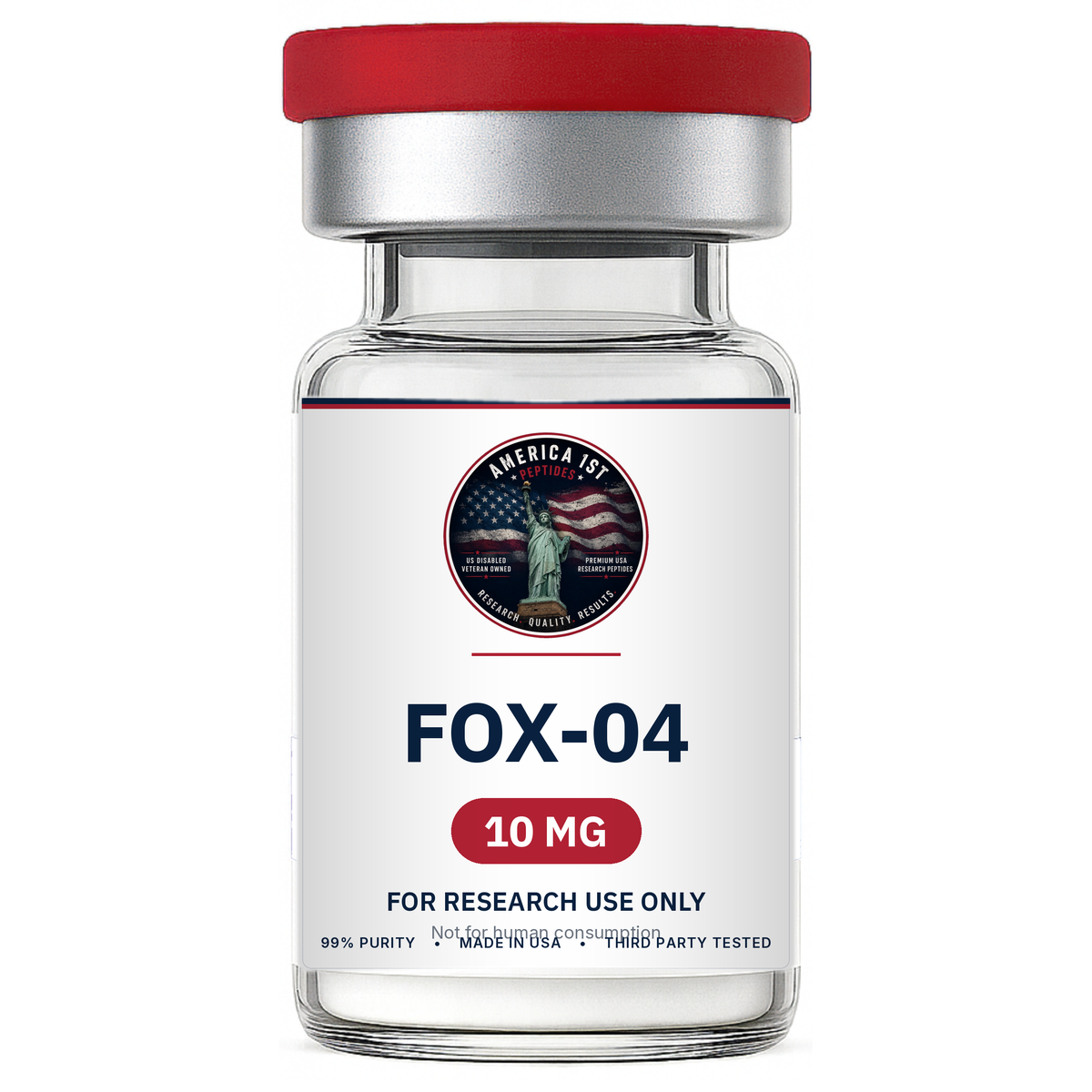
Mechanism: FOXO4 is part of the forkhead family of transcription factors (FOXO1, FOXO3, FOXO4, FOXO6), regulating insulin signaling, cell cycle progression, and growth pathways. FOXO4-DRI mimics the FOXO4 region that binds p53 but uses D-amino acids to resist degradation. Study Insights: FOXO4 binding normally prevents p53 from attaching to DNA, blocking apoptosis and enabling senescent cell accumulation. FOXO4-DRI interrupts this, restoring p53 function and triggering senescent cell death. Key Findings: FOXO4-DRI acts selectively on senescent cells, potentially promoting tissue regeneration and reducing age-related dysfunction.
Chemical Makeup
Formula: C228H388N86O64 Molecular Weight: 5358.05 g/mol Other Names: Forkhead box protein O4, Proxofim, FOXO4a, AFX, AFX1, MLLT7
Senescence
Mechanism: Senescent cells resist apoptosis through FOXO4–p53 interactions, maintaining a pro-inflammatory SASP (senescence-associated secretory phenotype) that accelerates aging. Study Insights: A 2017 mouse study, including fast-aging XpdTTD/TTD models, treated with FOXO4-DRI showed improved fitness, renal function, and fur density compared to controls. These benefits correlated with reduced senescent cell burden. Key Findings: FOXO4-DRI may induce apoptosis in senescent cells, restore tissue homeostasis, and lower aging biomarkers.
Cardiovascular Function
Mechanism: Proteasome enzyme activity declines with age, impairing clearance of damaged cells. Natural FOXO4 regulates these enzymes but doesn’t eliminate dysfunctional cells. Study Insights: FOXO4-DRI may support proteasomal activity while helping remove dysfunctional cells. Key Findings: FOXO4-DRI may preserve cardiovascular function by reducing cellular burden and supporting proteostasis.
Insulin Signaling
Mechanism: FOXO4 is linked to the insulin and IGF signaling (IIS) pathway, which influences stress resistance, metabolism, and longevity. Study Insights: Modulating FOXO4 activity may affect cellular responses to diet and environment, linking FOXO4-DRI to longevity pathways. Key Findings: FOXO4-DRI’s role in IIS modulation may support enhanced stress resilience and cellular survival.
Oxidative Stress
Mechanism: FOXO4 regulates transcription of antioxidant enzymes like MnSOD, catalase, and GPX, defending cells against oxidative stress. Study Insights: Under oxidative stress, MST1 and JNK pathways phosphorylate FOXO4, promoting nuclear translocation and antioxidant gene activation. FOXO4-DRI may disrupt this process selectively in senescent cells. Key Findings: FOXO4 is a critical oxidative stress regulator; FOXO4-DRI may modulate this pathway in damaged or aged cells.
Neurological Function
Mechanism: Age-related proteasome decline may contribute to cognitive impairment.
FOXO proteins are altered in CNS models of neurodegenerative disorders. Study Insights: Experimental data suggest FOXO4-DRI may help normalize FOXO activity, influencing neurodegenerative disease progression. Key Findings: FOXO4-DRI may support neurological health by modulating proteasome activity and FOXO signaling.
Hypogonadism
Mechanism: In aged male mice, senescent Leydig cells show FOXO4 nuclear translocation, sustaining cell viability but reducing testosterone production. Study Insights: In vitro, FOXO4-DRI blocked FOXO4–p53 interaction, allowing p53 DNA binding and inducing apoptosis in senescent Leydig cells. Key Findings: FOXO4-DRI may selectively clear senescent Leydig cells, potentially improving testosterone output in age-related hypogonadism.
Disclaimer
All products offered by America1stPeptides.com are intended strictly for laboratory and scientific research purposes only. These products are not approved by the FDA, are not medicines or supplements, and are not sold for human consumption, medical treatment, or veterinary use. Any discussion of potential benefits is based solely on preclinical findings.


Reviews
There are no reviews yet.