
Description
Overview
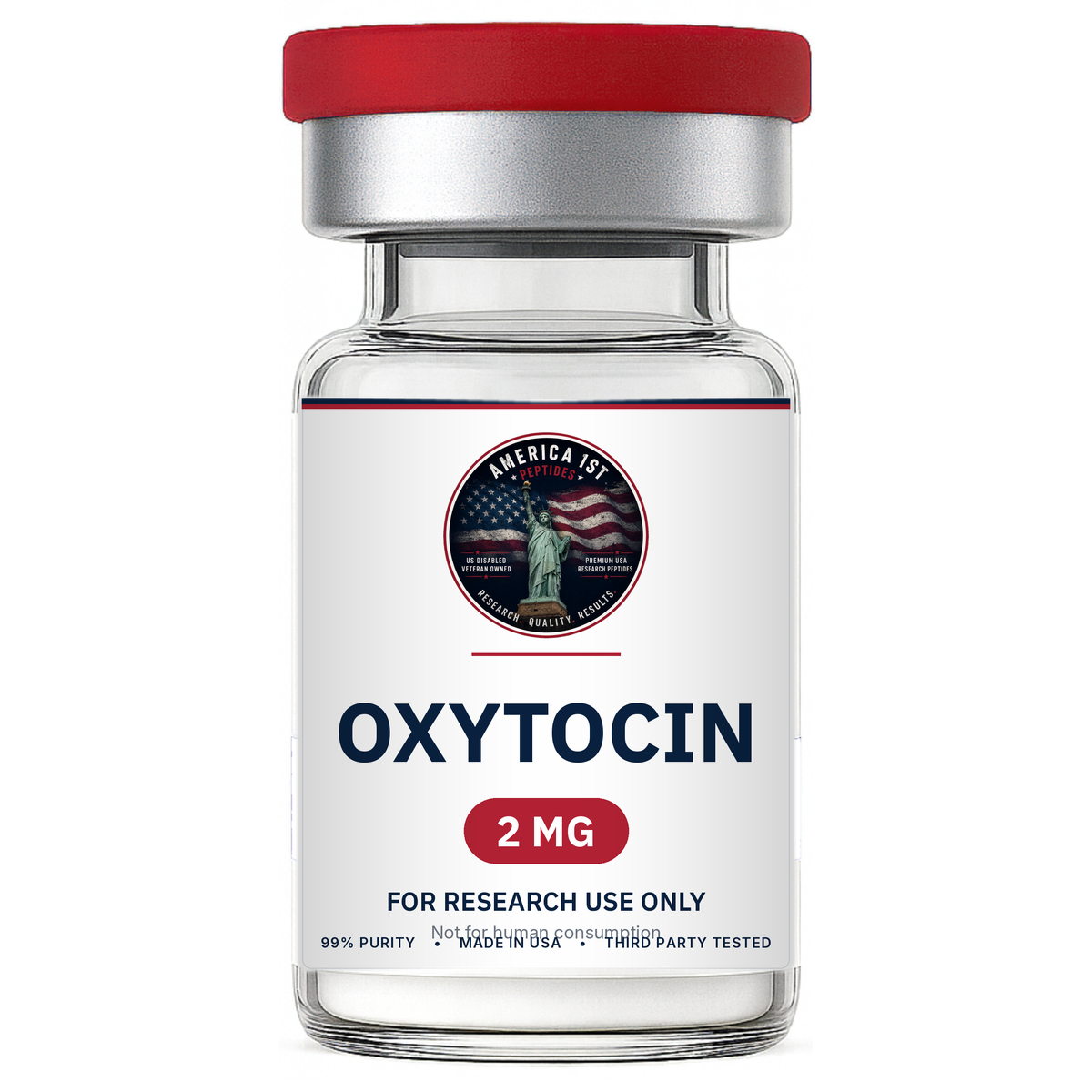
Mechanism: Oxytocin acts through G-protein coupled receptors to raise intracellular calcium levels, driving smooth muscle contractions in the uterus and mammary glands. Study Insights: Both natural and synthetic forms (recombinant oxytocin) act via this mechanism, amplifying release through positive feedback loops during labor and lactation. Key Findings: Oxytocin plays a central role in parturition, milk let-down, and feedback-driven hormonal signaling.
Chemical Makeup
Molecular Formula: C43H66N12O12S2 Molecular Weight: 1007.193 g/mol Other Names:
Endopituitrina
Dopamine Signaling
Mechanism: Oxytocin interacts with dopaminergic pathways in brain regions like the ventral tegmental area (VTA) and nucleus accumbens, influencing reward and sexual behavior. Study Insights: It may enhance dopamine release or receptor sensitivity, boosting motivation and reward perception related to social and sexual behaviors. Key Findings: Oxytocin modulates dopamine and nitric oxide signaling, shaping anticipatory and reward-related behaviors.
Neuroplasticity
Mechanism: Through G-protein coupled receptor activation, oxytocin elevates intracellular calcium, affecting neuronal excitability and synaptic modulation. Study Insights: Receptor distribution across neural and glial cells suggests a broad role in regulating neurotransmission, synaptic plasticity, and neurogenesis. Key Findings: Oxytocin can modulate the balance between excitatory and inhibitory neurotransmission, potentially shaping neural circuit development and function.
Labor Induction
Mechanism: Oxytocin increases uterine contractility through calcium signaling and positive feedback. Study Insights: A randomized clinical trial (n=252) compared continuous vs. discontinued oxytocin administration after active labor onset. Cesarean rates were 32 in the continuous group vs. 24 in the discontinued group, with similar infant outcomes. Key Findings: Oxytocin administration strategies may influence delivery outcomes, highlighting its critical role in labor dynamics.
Lactation
Mechanism: Oxytocin triggers contraction of myoepithelial cells in mammary glands, leading to milk ejection. Study Insights: A retrospective study (n=200) found early breastfeeding difficulties were more common in oxytocin-exposed mothers (27% vs. 14%), potentially influenced by pre-gestational BMI. Over time, breastfeeding rates improved significantly. Key Findings: Oxytocin affects early lactation dynamics, with potential modulation by maternal factors.
Vasodilation
Mechanism: Oxytocin may cause dilation of peripheral blood vessels, influencing cardiac tone. Study Insights: In pregnant women during the first trimester, oxytocin was associated with vasodilation of small arteries and increased left ventricular ejection time. Key Findings: Oxytocin may exert vasodilatory effects relevant to cardiovascular adaptation in pregnancy.
Autism
Mechanism: Oxytocin is involved in social and communicative brain functions. Lower oxytocin levels have been observed in autistic individuals. Study Insights: A clinical study (n=59) found lower plasma oxytocin in autistic boys vs. controls. Elevating oxytocin improved VABS behavioral scores. Key Findings: Oxytocin supplementation may positively influence social behavior in autism models.
Disclaimer
All products offered by America1stPeptides.com are intended strictly for laboratory and scientific research purposes only. These products are not approved by the FDA, are not medicines or supplements, and are not sold for human consumption, medical treatment, or veterinary use. Any discussion of potential benefits is based solely on preclinical findings.


Reviews
There are no reviews yet.