Description
Overview
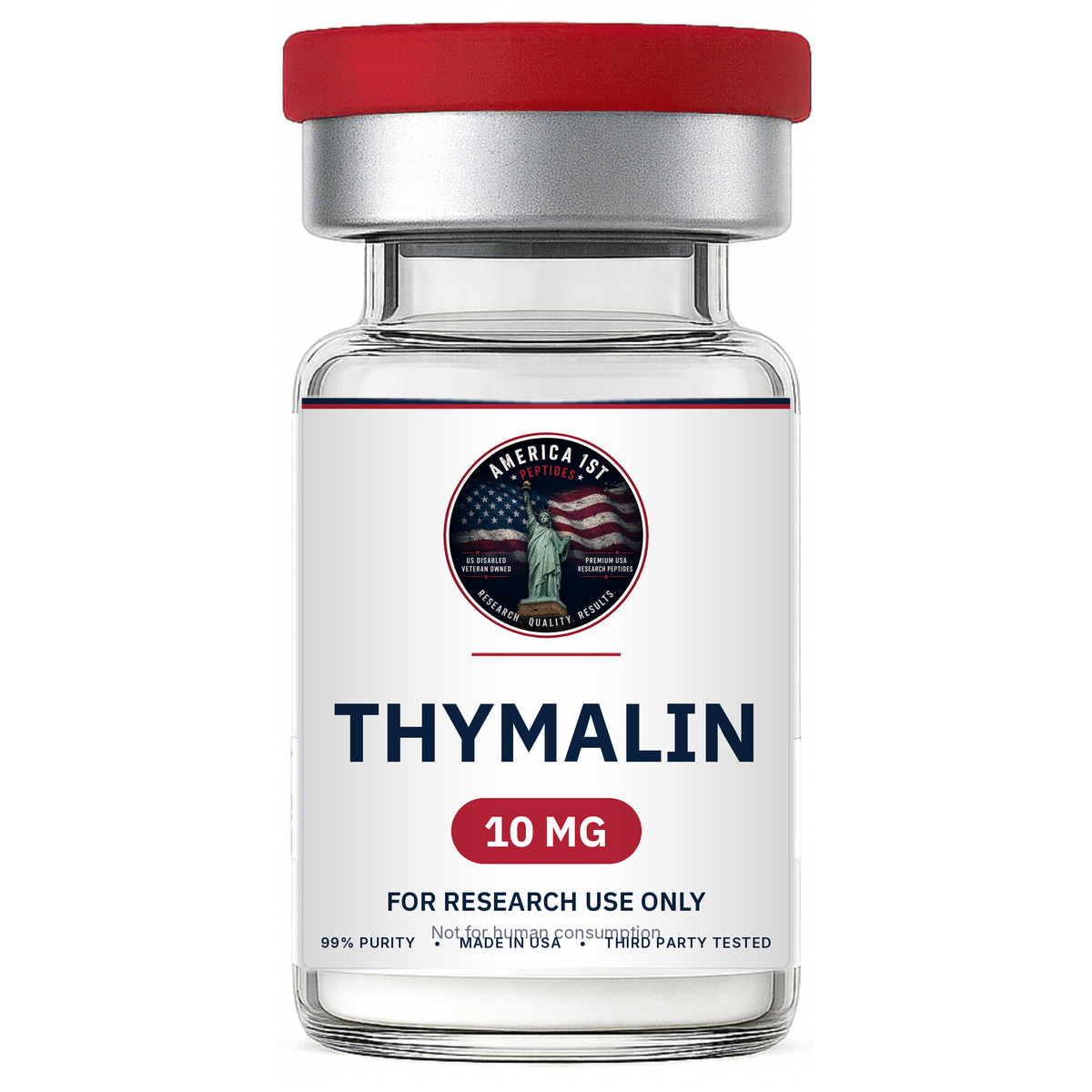
Studies have been conducted to understand the functioning of both natural and synthetic thymic peptides. The main compounds that have been studied are Thymalin (natural polypeptide), Thymogen (synthetic peptide), and Vilon (its derived dipeptide). The study suggested that all the peptides within this thymic family appear to function via possibly stimulating thymic functions i.e., differentiation of T-cells, induced changes in the nucleotides and cytokine cells and secretion of lymphocytes. The other significant hypothesis made during this study was that the naturally occurring peptide, Thymalin, may potentially stimulate the antioxidant responses, whereas the two synthetic analogues did not appear to alter these responses. Thymalin might contribute indirectly to controlling inflammatory responses, which are typically exacerbated by oxidative damage.
Chemical Makeup
Molecular Formula: C33H54N12O15
Molecular Weight: 858.864 g/mol
Other Known Titles: Thymulin, Thymic Factor
Thymalin and Carcinogenesis
A study involving 76 female rats found that those treated with Thymalin had an extended average lifespan and significantly reduced tumor incidence compared to controls. The peptide may enhance immune mechanisms such as T-cell differentiation and neutrophil activation. Tissue distribution studies also showed rapid absorption of Thymalin, with high concentrations in the liver and lymph nodes, potentially improving immune surveillance and anticancer defenses.
Thymalin and Viral Infection
In a clinical study on HHV-1 patients, Thymalin elevated CD4+ and CD8+ levels and prevented viral reactivation. It reduced immune exhaustion markers PD-1 and PD-L1 while increasing antiviral cytokines IFN-γ and IL-2, suggesting enhanced Th1 immune responses without general immune overactivation.
Thymalin and Toxic Goiter Models
Among 104 subjects with Diffuse Toxic Goiter (DTG), Thymalin—alone or combined with other compounds—helped reduce DTG symptoms and normalized biomarkers of peptide and lipid oxidation.
Thymalin and Lympholeukemia Models
In chronic lymphoid leukemia patients, a combination of Thymalin and plasmapheresis improved physiological function beyond what was seen with chemotherapy alone, suggesting synergistic immunocorrective effects.
Thymalin and Geroprotection
In a long-term aging study with 266 participants, Thymalin—alone or with Epithalamin—improved cardiovascular, neurological, metabolic, and immune function. It potentially supports thymic rejuvenation, lowers systemic inflammation, stabilizes cortisol, and improves glucose and lipid metabolism.
Disclaimer
All products offered by America1stPeptides.com are intended strictly for laboratory and scientific research purposes only. These products are not approved by the FDA, are not medicines or supplements, and are not sold for human consumption, medical treatment, or veterinary use. Any discussion of potential benefits is based solely on preclinical findings.

Reviews
There are no reviews yet.