
Description
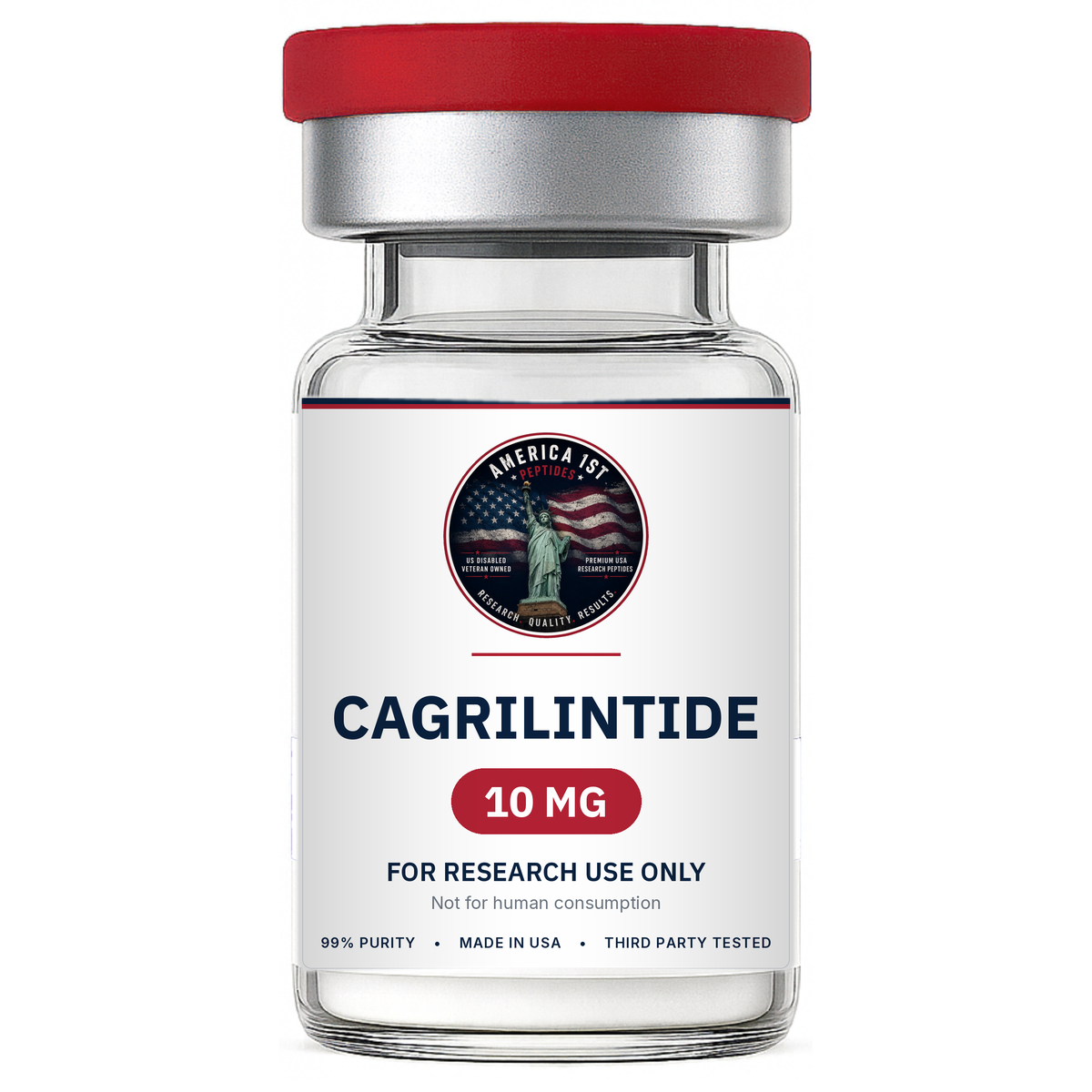
Cagrilintide Overview
Cagrilintide is a next-generation, long-acting analogue of amylin, a naturally secreted peptide hormone released alongside insulin. Preclinical and clinical research highlights its potential as a therapeutic agent in the management of obesity and type 2 diabetes. In addition to metabolic applications, cagrilintide is being explored for possible benefits in conditions such as liver injury, cardiovascular disease, and alcohol-related liver dysfunction. There is also growing interest in its potential link to Alzheimer’s disease, though direct studies in this field remain limited. Importantly, when combined with semaglutide, cagrilintide demonstrates synergistic effects that produce stronger and more sustainable weight loss outcomes than either peptide alone.
Cagrilintide Structure

-
Sequence: XKCNTATCATQRLAEFLRHSSNNFGPILPPTNVGSNTP
-
Molecular Formula: C194H312N54O59S2·xC2H4O2
-
Molecular Weight: 4409.01 g/mol
-
PubChem SID: 171397054
-
CAS Number: 1415456-99-3
-
Synonyms: AT42613, AM833
Amylin: The Basis of Cagrilintide
Amylin, also known as islet amyloid polypeptide (IAPP), is co-secreted with insulin by pancreatic beta cells. It plays a regulatory role in glucose control, appetite regulation, and digestion. By slowing gastric emptying and promoting satiety, amylin prevents sharp post-meal spikes in blood sugar. Beyond its metabolic functions, amylin also influences bone metabolism by interacting with calcitonin and CGRP, helping to regulate calcium homeostasis.
However, native amylin has limitations for therapeutic use due to its short half-life and tendency to aggregate into fibrils, a process associated with both pancreatic dysfunction in type 2 diabetes and amyloid plaque formation in Alzheimer’s disease. Cagrilintide was engineered to overcome these shortcomings, extending half-life, enhancing receptor binding, and minimizing aggregation.

What Makes Cagrilintide Unique
Unlike earlier analogues such as pramlintide, cagrilintide has been structurally modified with amino acid substitutions and fatty acid chains to improve stability, brain penetration, and receptor activity. These enhancements allow for once-weekly dosing, improved satiety signaling, and sustained blood sugar regulation.
Mechanisms of Action
Cagrilintide functions through three key pathways:
-
Gastrointestinal regulation – Slows gastric emptying and nutrient absorption, reducing appetite and preventing sharp glucose spikes.
-
Central nervous system activity – Acts on amylin receptors in the arcuate nucleus of the hypothalamus, enhancing satiety and reducing food cravings.
-
Pancreatic modulation – Decreases glucagon secretion, improving glucose utilization and reducing fat storage.
Research Highlights
-
Obesity trials: Clinical data shows once-weekly cagrilintide can reduce body weight by 6–11% in as little as six weeks, outperforming established treatments like liraglutide.
-
Combination therapy: Pairing cagrilintide with semaglutide produced remarkable results, with average weight reduction reaching up to 17% over 20 weeks—substantially greater than either therapy alone.
-
Diabetes management: Cagrilintide significantly reduces insulin resistance and hemoglobin A1C levels, showing promise as an adjunct to insulin therapy with a more convenient dosing profile.
-
Cognitive implications: While not yet fully established, research suggests that amylin dysregulation may contribute to Alzheimer’s pathology. Because cagrilintide resists aggregation, it may hold future potential in neurodegenerative research.
Summary
Cagrilintide represents a major advancement in amylin-based therapies, designed to overcome the limitations of natural amylin while amplifying its benefits. Its long half-life, resistance to aggregation, and strong synergy with GLP-1 receptor agonists such as semaglutide make it a highly promising research peptide for obesity and type 2 diabetes. Early evidence suggests it may also have implications in cardiovascular health and neurodegenerative disease, although these areas require further study.
Disclaimer
All content provided is strictly for informational and educational purposes. Products referenced are intended for in-vitro research only and are not approved by the FDA for medical use in humans or animals. They must not be used as drugs, supplements, or therapies under any circumstance.

Reviews
There are no reviews yet.